

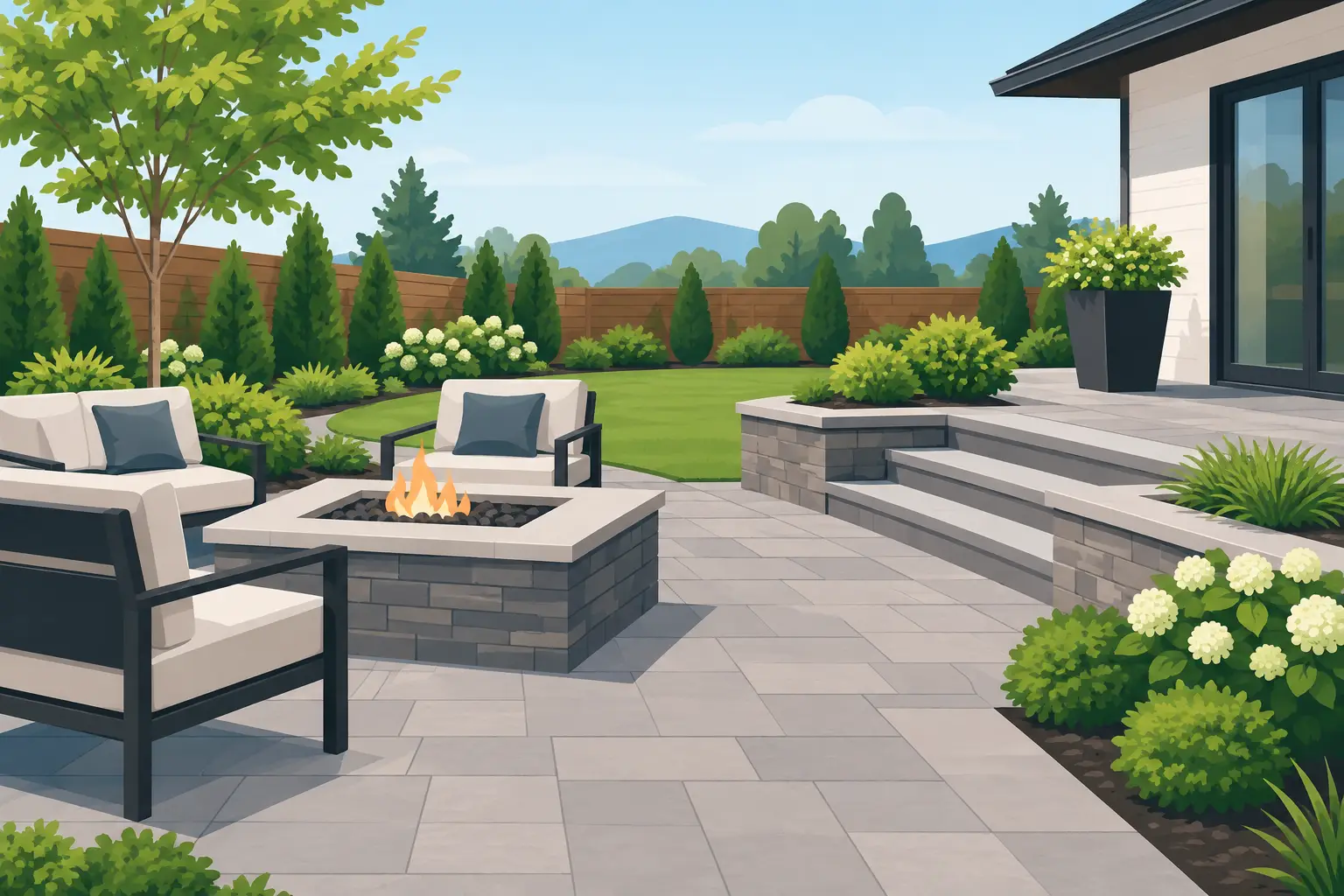
Hardscape Installation for a Better Yard

A patio that holds water after a Georgia thunderstorm or a walkway that shifts underfoot is more than an eyesore. It is a sign that the work below the surface needs attention. Quality hardscape installation creates outdoor areas that look finished, handle regular use, and stand up to changing weather without becoming another item on the property to-do list.
For homeowners, a well-planned hardscape can turn an unused patch of lawn into a place to grill, gather, or relax. For HOAs and commercial properties, it can create safer walking routes, cleaner entrances, and common areas that are easier to maintain. The key is choosing the right feature, preparing the base correctly, and accounting for how water moves across the property.
Start With How the Space Will Be Used
Hardscapes include the nonliving parts of a landscape: patios, paver walkways, retaining walls, stone borders, steps, fire pit areas, and similar built features. They should solve a practical need before they become a decorative addition.
A backyard patio may need room for a table, chairs, and a grill without making traffic feel cramped. A front walkway should offer a direct, steady route from the driveway or sidewalk to the entry. A retaining wall may be needed because a slope is washing out, not simply because stacked stone looks nice.
Before selecting materials, consider where people enter the space, where they tend to walk, and what equipment needs access. Think about shade, sun exposure, nearby trees, and drainage too. A patio placed in the sun may be perfect for cool-season gatherings but uncomfortable during a summer afternoon. A light-colored surface can help with heat, while a shaded area may need more attention to debris and moisture.
For larger properties, hardscape planning should also account for maintenance access. Grounds crews, irrigation technicians, and service vehicles need clear routes. A feature that looks good on installation day should not make regular mowing, trimming, or irrigation repair harder later.
The Base Matters More Than the Surface
Pavers, brick, natural stone, and concrete all have their place. But the material on top is only as dependable as the preparation underneath it. This is where hardscape installation often succeeds or fails.
A proper project begins with excavation to the needed depth, followed by a compacted aggregate base. The depth depends on the feature, soil conditions, expected traffic, and material being used. A simple garden path does not need the same support as a driveway apron or a heavily used commercial walkway.
Middle Georgia soil can present its own challenges. Clay holds water and can expand or soften when saturated. If the base is too thin, poorly compacted, or installed over unstable soil, a patio or walkway can settle unevenly over time. That may lead to low spots, loose pavers, standing water, and trip hazards.
Edges matter as well. Paver patios and walkways need solid restraint around the perimeter so the surface stays tight instead of slowly spreading outward. Joint material is also important. It helps lock pavers together while allowing the surface to perform as designed.
Concrete may appear simpler because it is poured in one piece, but it still needs correct grading, base preparation, and control joints. Without them, cracking is more likely. Some cracking can be expected as concrete ages, especially in changing temperatures and soil conditions. The goal is to manage movement and keep the surface safe and serviceable.
Plan Drainage Before the First Stone Is Set
Water has to go somewhere. A beautiful patio is not useful if it directs runoff toward the home, pools near a foundation, or leaves a slick walkway after every rain.
The finished hardscape should have a gradual slope that moves water away from structures and toward an appropriate drainage area. The exact approach depends on the yard. In some cases, simple grading is enough. In others, the project may need a drainage swale, catch basin, gravel channel, or adjustments to nearby downspouts.
Retaining walls need special drainage attention. Soil behind a wall collects water, and that water adds pressure. A properly built wall often includes drainage stone and a system for letting water escape rather than build up behind the structure. Skipping this work can shorten the life of the wall and create a more expensive repair later.
Irrigation should be part of the conversation early. Sprinkler heads may need to be moved, repaired, or adjusted so they do not spray directly onto a patio, wall, or walkway. Lines should be located before excavation begins. Coordinating landscape construction and irrigation work through one local provider can prevent avoidable surprises once the project is underway.
Choose Materials That Match the Property
There is no single best hardscape material for every yard. The right choice depends on the style of the property, intended use, budget, and level of maintenance the owner prefers.
Concrete is often a practical choice for simple patios, walkways, and utility areas. It provides a clean appearance and can be cost-effective for larger surfaces. Pavers offer more pattern and color options, and individual units can often be repaired or replaced if settling occurs. Natural stone brings a more distinctive look, although material and installation costs can be higher. Brick works well with certain traditional homes and can create a warm, established appearance.
Texture deserves as much attention as color. A smooth finish may be easier to clean, but it can be slick when wet. Textured pavers or a broom-finished concrete surface can provide better traction around entries, pools, and frequently used paths.
For commercial sites and HOA common areas, consistency usually matters most. Select materials that fit the property’s existing look and can be maintained or matched in the future. A low-cost material that is difficult to replace later is not always the most affordable long-term choice.
Hardscape Features That Solve Everyday Problems
The best projects make the property easier to use. A few well-placed improvements can make a bigger difference than a large project that does not address the way people actually move through the space.
A defined walkway keeps foot traffic out of planting beds and reduces worn paths through the lawn. A small landing near a back door gives homeowners a stable place to step outside, set down groceries, or access a grill. A retaining wall can level part of a sloped yard, creating usable space for seating or landscaping while helping control erosion.
Landscape borders can also be functional. Stone or paver edging helps separate mulch from turf, creates cleaner lines for mowing, and keeps beds looking orderly. This can be especially useful along entrances and shared common areas where curb appeal needs to stay consistent between regular maintenance visits.
The project does not have to be oversized to be valuable. Often, a properly graded walkway, a refreshed front entry, or a compact patio provides the most noticeable improvement for the budget.
Work With a Clear Installation Plan
A dependable installation process starts with a site visit and a straightforward conversation about priorities. The contractor should understand the purpose of the feature, the condition of the ground, drainage concerns, access limits, and the desired material. Measurements and layout should be reviewed before digging begins, particularly around doors, gates, driveways, irrigation components, and existing trees.
Ask how the base will be prepared, how water will be handled, and what will happen to displaced soil or old materials. It is also reasonable to ask whether permits, property rules, or HOA approvals may apply. Walls above certain heights, changes near drainage areas, and projects affecting common property can have added requirements.
A good plan also considers what happens around the new hardscape. Fresh mulch, updated plantings, repaired irrigation, and regular lawn care can help the entire area look complete rather than making a new patio feel dropped into an unfinished yard.
Hardscape work is an investment in the way a property functions every day. Choose improvements that fit the space, give water a clear path, and are built on a solid base. With practical planning and professional installation, Peach Lawn Pros can help create an outdoor area that stays useful long after the first season.
Comments