

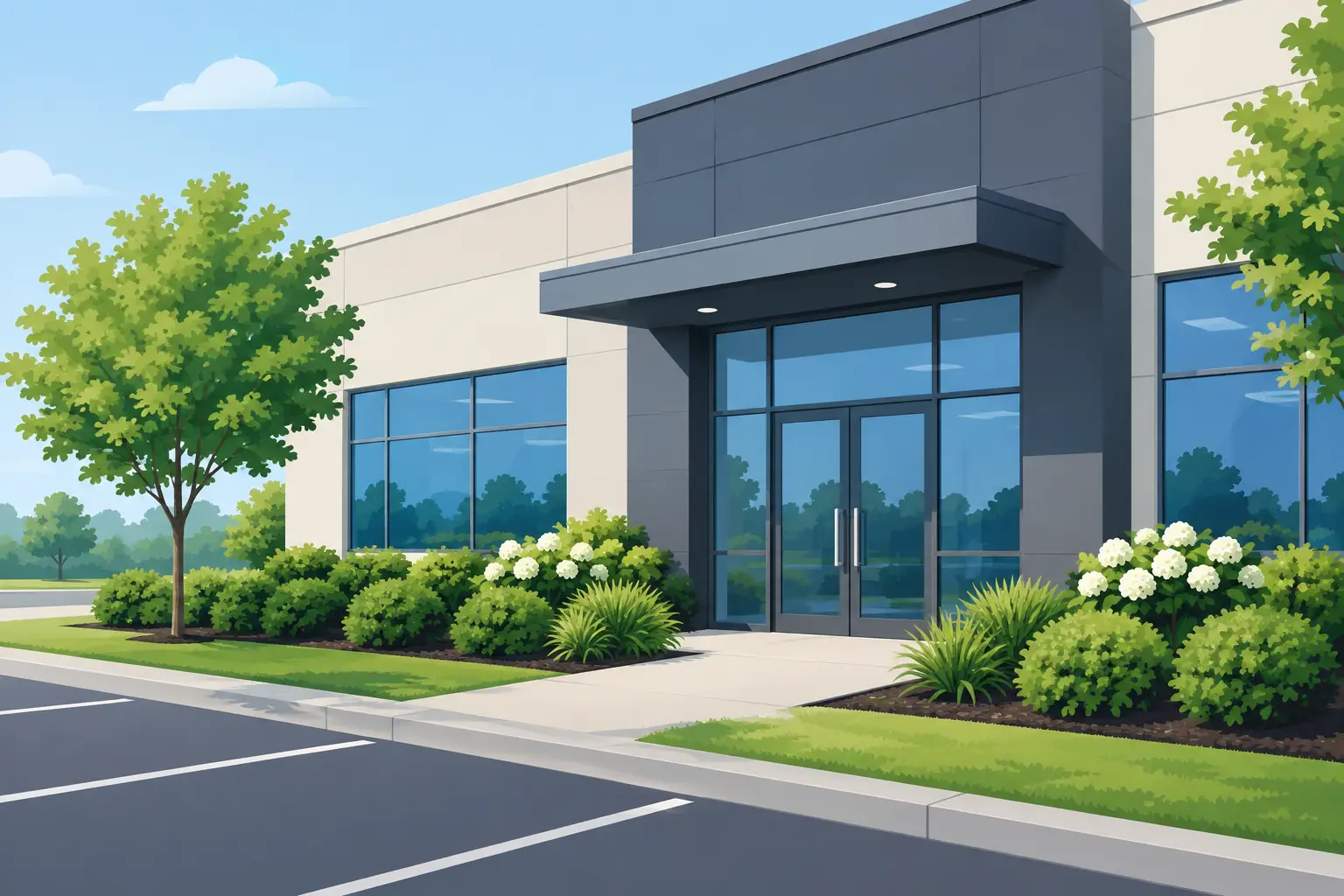
How to Improve Business Property Curb Appeal

A customer can form an opinion about your business before they reach the front door. Overgrown grass, bare mulch beds, standing water, or shrubs blocking signage can make a well-run business look neglected. To improve business property curb appeal, focus first on the areas people see from the street, parking lot, and walkway - then maintain them consistently.
For business owners, facilities managers, and property managers in Middle Georgia, curb appeal is not about creating a high-maintenance showpiece. It is about keeping the property clean, safe, easy to navigate, and professional through heat, rain, growing season, and busy workweeks.
Start With the Customer’s Approach
Walk the property as a visitor would. Pull into the entrance, park in a regular space, and walk to the front door. This simple exercise often reveals issues that are easy to miss when you see the property every day.
Look at the entrance sign, parking lot islands, sidewalks, building foundation beds, and front door area. Are there weeds at the curb? Is grass growing over the sidewalk? Can visitors clearly see where to enter? Are tree limbs or shrubs covering signs, windows, or lighting?
The first 30 feet around the entrance usually deserves the most attention. That is where a clean edge, healthy turf, fresh mulch, and well-shaped shrubs make the strongest impression. A smaller, well-maintained landscape near the entrance will often do more for the property than a large landscape installation that cannot be kept up.
Keep the Lawn Consistent, Not Just Cut
Mowing is one of the most visible parts of commercial grounds care, but a good-looking lawn requires more than cutting it when it gets tall. Uneven mowing schedules can leave the property looking rough between visits, especially during Middle Georgia’s active growing season.
A dependable mowing plan should include mowing at an appropriate height, trimming around signs and curbs, edging sidewalks and beds, and blowing grass clippings from paved areas. These finishing details separate a maintained property from one that simply had grass cut.
Grass type, shade, traffic, and irrigation all affect how often a site needs service. A sunny office property with Bermuda grass may need more frequent attention in summer than a shaded property with slower growth. The goal is not to mow on a rigid schedule regardless of conditions. The goal is to keep the grounds consistently neat without scalping turf or stressing it during hot weather.
If bare areas continue to appear near entrances, sidewalks, or parking spaces, the issue may be foot traffic, compacted soil, poor drainage, or irrigation coverage. Repeatedly adding seed or sod without addressing the cause can waste money. A practical plan identifies why the turf is failing before choosing the repair.
Give Landscape Beds a Clean, Simple Structure
Landscape beds frame a building, define entrances, and soften large parking areas. They also become messy quickly when weeds, old mulch, and overgrown plants are left alone.
Start with clean bed edges. A defined edge between turf and mulch makes the whole property look organized, even when the plantings are simple. Remove weeds before they set seed, prune dead or damaged branches, and keep shrubs away from walls, walkways, and signs.
Fresh mulch is one of the fastest ways to improve business property curb appeal. It gives beds a finished appearance, helps retain soil moisture, and reduces weed growth. However, more mulch is not always better. Thick piles around tree trunks or plant stems can hold too much moisture and create plant health problems. A neat, moderate layer provides the look and function you want.
For commercial properties, choose plants that fit the maintenance level your site can support. Low-maintenance shrubs, ornamental grasses, and heat-tolerant perennials can provide color and structure without requiring constant replacement. Seasonal flowers can make an entrance stand out, but they need regular watering, cleanup, and replacement. They are best used in a limited, high-visibility area rather than spread across the entire property.
Make Signage, Walkways, and Parking Areas Part of the Plan
Curb appeal includes more than plants. A customer notices the condition of the route from the street to your door. Keep sign areas trimmed and visible. Clear vines, low branches, and tall ornamental grasses that hide directional signs or address numbers.
Sidewalks and curbs should have crisp edges and be free of grass clippings, leaves, and soil washed out from nearby beds. Pay attention to parking lot islands, which are often highly visible but easily overlooked. Dead shrubs, litter, exposed irrigation heads, and weeds in these islands can make the entire site feel tired.
Drainage matters here, too. Standing water near parking spaces, entrances, or walkways is not only unattractive. It can create slippery conditions, damage turf, and lead visitors to assume the property is poorly maintained. Sometimes the fix is a drainage improvement. In other cases, repairing a broken irrigation line or adjusting runoff from a bed solves the problem.
Use Irrigation to Protect the Investment
A landscape can look good after an installation and still decline quickly if the irrigation system is not working correctly. Brown areas may mean a sprinkler head is clogged, misaligned, blocked by plant growth, or not receiving enough pressure. Excessively wet areas may point to a leak, poor controller settings, or heads watering the same spot too heavily.
Irrigation should support the landscape, not create problems for it. Watering sidewalks, building walls, and parking areas wastes water and leaves a poor impression. So do broken heads that spray cars or create muddy spots near the entrance.
A seasonal irrigation check can catch small issues before they become expensive repairs. It should include checking for leaks, testing zones, adjusting heads as plants grow, and reviewing the timer for weather conditions. During rainy periods, watering schedules may need to be reduced. During long, hot stretches, stressed turf or new plantings may need closer attention.
For a larger property, it helps to have one provider who can maintain the grounds and address irrigation issues when they appear. Peach Lawn Pros provides recurring lawn care, landscape improvements, and irrigation repair and installation for properties that need a straightforward, coordinated approach.
Prioritize Repairs That Customers Will Notice
Not every improvement needs to happen at once. If the budget is limited, start with the changes that affect the customer-facing areas most. A clean lawn edge, weed-free entrance beds, working irrigation, and visible signage typically provide a better return than adding expensive features in a low-traffic corner of the property.
Consider these priorities when planning work:
Correct safety concerns such as low branches, trip hazards, poor drainage, and obstructed visibility.
Restore basic maintenance with regular mowing, edging, pruning, weed control, and debris cleanup.
Repair irrigation problems that are causing brown turf, wet areas, or water waste.
Refresh the entrance with mulch, healthy plants, and clear borders before expanding to less visible areas.
This order keeps the property functional while making improvements that people can see right away. It also prevents a common problem: installing new plants before the lawn, irrigation, or drainage issues around them are under control.
Set a Maintenance Standard for Every Season
Curb appeal is built through routine, not a one-time cleanup. A property can look excellent after fresh mulch and pruning, then lose that appearance within weeks if mowing, weed control, and irrigation checks are inconsistent.
Spring and summer usually require the most frequent lawn and bed attention. Fast grass growth, weeds, heat stress, and afternoon storms can change the look of a property quickly. Fall is a good time to manage leaves, remove tired seasonal material, clean up beds, and address plant or turf damage. Winter is often the best time for larger pruning projects, landscape planning, and repairs that are easier to see once growth slows down.
The right schedule depends on your site. A medical office, retail center, or customer-facing business may need a more detailed appearance than a warehouse with limited visitor traffic. An HOA common area may need dependable weekly service and careful attention to entrances, mail areas, and neighborhood signs. The standard should match how the property is used and what residents, customers, or tenants expect.
A professional-looking property does not need excessive landscaping. It needs a clear plan, reliable upkeep, and quick attention when something starts to look out of place. When the lawn is neat, beds are clean, irrigation works, and the entrance is easy to find, visitors get the right message before they ever step inside.
Comments