

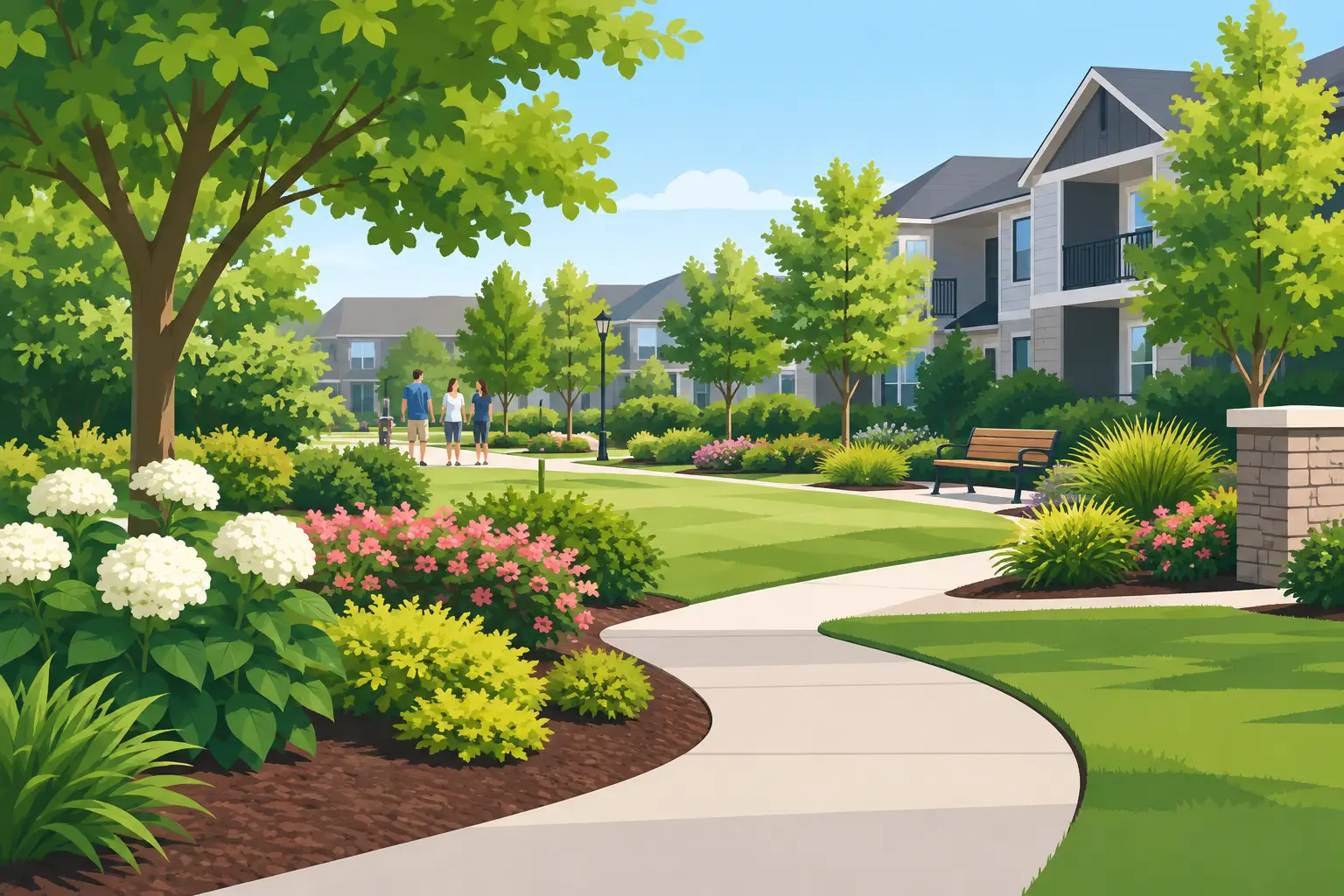
HOA Landscape Transformation That Residents Notice

A worn entrance bed, patchy turf around the mailbox, or irrigation heads spraying the sidewalk can make a community feel neglected fast. An HOA landscape transformation is not just about adding fresh plants. It is a practical way to protect property values, improve first impressions, and make common areas easier to maintain throughout the year.
For HOA boards and community managers in Middle Georgia, the best results come from a clear plan that balances appearance, resident expectations, water use, and the annual budget. A landscape should look cared for on move-in day, during the heat of summer, and after a stretch of heavy rain. That takes more than a one-time cleanup.
Start an HOA Landscape Transformation With a Property Review
Before choosing plants or approving a new design, walk the property with a practical eye. Look at the areas residents, guests, and prospective buyers see first: entrances, monument signs, mail kiosks, clubhouses, sidewalks, pool areas, and perimeter streets. These spaces carry most of the community's curb appeal.
The review should also identify problems that routine mowing alone cannot solve. Thin grass may be caused by shade, poor drainage, compacted soil, worn irrigation equipment, or vehicle traffic. Shrubs may look overgrown because they were planted too close together years ago. A bed that constantly looks messy may need edging, mulch, better plant spacing, or a simpler layout.
It helps to separate concerns into two groups. The first includes issues that affect safety or function, such as low branches blocking sightlines, standing water, broken irrigation heads, or uneven ground near walkways. The second includes appearance concerns, such as faded mulch, empty beds, tired seasonal color, and inconsistent plantings. Addressing functional problems first helps prevent money from being spent twice.
A full property review also gives the board a realistic starting point. Not every community needs a major renovation. Sometimes a better mowing schedule, bed cleanup, pruning, and irrigation repairs will make a noticeable difference. In other cases, aging plant material and poor drainage make a larger landscape construction project the more sensible investment.
Build a Plan Around High-Visibility Areas
HOA budgets are rarely unlimited, so priorities matter. A strong plan concentrates early spending where it will have the greatest daily impact. The entrance, main common areas, and highly traveled corners usually deserve attention before hidden spaces.
This does not mean the rest of the property should be ignored. It means the work can be phased. For example, an association may update entrance landscaping and repair irrigation this season, then improve clubhouse beds and common-area turf the following season. Phasing work helps the board manage costs without settling for temporary fixes everywhere.
When considering upgrades, ask a few simple questions: Will this improve the view from the street? Will it reduce recurring maintenance? Can the irrigation system support it? Will the plants handle local sun, heat, and rainfall? These questions keep decisions focused on long-term value rather than a design that looks good for only a few weeks.
Choose Plants for Middle Georgia Conditions
The right plants reduce replacement costs and help beds stay attractive between visits. Middle Georgia landscapes often need to handle hot summers, humidity, periods of heavy rain, and occasional dry conditions. Plant selection should match the amount of sunlight, soil moisture, and available irrigation in each location.
A mix of dependable shrubs, perennials, ornamental grasses, and seasonal color can create interest without making maintenance difficult. Native and adapted plants can be a smart choice in many areas, especially where irrigation coverage is limited. However, low-maintenance does not mean no-maintenance. Even durable plants need pruning, mulching, weed control, and proper watering while they become established.
Avoid designing every bed around plants that require constant trimming or frequent replacement. Formal hedges and high-color annual displays can look excellent, but they come with a higher maintenance commitment. For some communities, that investment is worthwhile at the entrance or clubhouse. For others, a cleaner, more durable planting plan may fit the budget better.
Improve Turf Where It Can Succeed
Grass is often the largest part of an HOA landscape, and it can also be the most difficult feature to keep consistent. Turf struggles in deep shade, low spots, compacted soil, and areas where residents regularly cut across the lawn. Replacing dead grass without correcting the cause usually leads to the same problem returning.
In sunny, usable spaces, turf repair or renovation may be the right choice. In heavily shaded or poorly drained areas, a different solution may perform better, such as mulch beds, groundcover, drainage improvements, or a defined walking path. A good transformation works with the property instead of forcing grass into every available space.
Do Not Overlook Irrigation and Drainage
Landscape upgrades are only as dependable as the systems supporting them. Irrigation problems waste water, damage plants, and create an uneven appearance across the property. A zone that does not run correctly can leave new plantings stressed before they have time to establish strong roots.
Before installing new beds or replacing large areas of turf, inspect the irrigation system. Check coverage, controller settings, damaged heads, leaks, broken lines, and zones that water pavement instead of plant material. Irrigation repair may be one of the most cost-effective parts of the project because it supports every other improvement.
Drainage deserves the same attention. Water collecting near entrances, sidewalks, retention areas, or building foundations can affect both appearance and safety. The solution depends on the cause. It may involve grading, drainage features, adjusting downspout discharge, or choosing plants that tolerate wetter soil. A site-specific review is better than assuming every wet area needs the same fix.
Set Maintenance Standards Before Work Begins
A transformation should make recurring care more organized, not more complicated. Before the project starts, the board should define what the finished property is expected to look like and how it will be maintained. That includes mowing frequency, edging, shrub pruning, bed weeding, mulch refreshes, seasonal cleanup, and irrigation monitoring.
Clear expectations help prevent the common gap between a beautiful installation and a neglected property six months later. They also make it easier for community managers to communicate with residents. If work is scheduled around entrances or common areas, residents are less likely to be surprised by equipment, temporary access changes, or seasonal pruning.
Consistency matters more than excessive service. Grass that is mowed on a dependable schedule, beds that stay edged, and shrubs that are pruned at the right time will usually look better than a property that receives occasional major cleanups. Routine care also catches issues early, before a small irrigation leak or weed problem becomes an expensive project.
Communicate the Plan to Residents
Residents are more likely to support landscape spending when they understand the purpose behind it. A short update can explain which areas are being improved, why the work is necessary, and what temporary changes they may notice. Keep the message practical: better curb appeal, safer common areas, healthier turf, improved water use, or reduced replacement costs.
Photos of problem areas can be useful for board discussions and resident updates. They create a record of the property's condition before work begins and make it easier to show the value of completed improvements. This is especially helpful when the work is phased over several months or seasons.
Boards should also make room for resident feedback without letting every preference dictate the design. One resident may prefer colorful flowers while another wants fewer beds and lower maintenance costs. The board's job is to choose a plan that serves the whole community and fits its financial responsibilities.
Choose a Partner Who Can Handle the Full Scope
Coordinating mowing crews, landscapers, and irrigation technicians separately can create delays and confusion. An HOA often benefits from working with a local provider that can maintain the property, complete landscape improvements, and address irrigation needs as they arise. That approach makes it easier to keep the plan moving from installation through ongoing care.
Peach Lawn Pros helps Middle Georgia communities manage those connected needs with professional, affordable lawn mowing, landscape construction, and irrigation repair and installation. The goal is straightforward: keep common areas looking clean, healthy, and cared for without adding unnecessary work to the board or property manager.
A well-planned landscape gives residents a better view when they come home and gives board members fewer recurring issues to chase. Start with the areas that need attention most, fix the conditions behind the problem, and build a maintenance plan that keeps the improvement visible long after the first day of work.
Comments